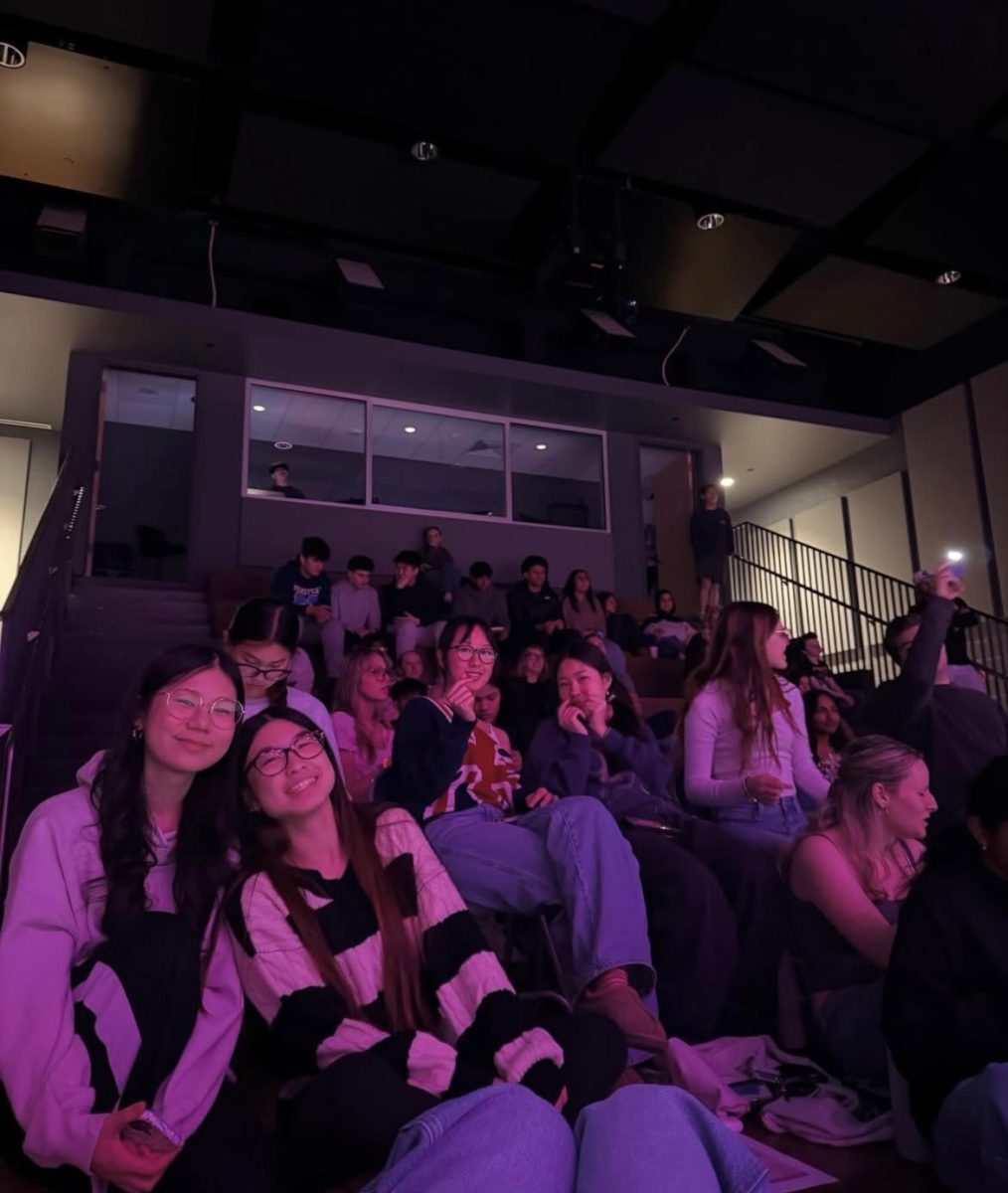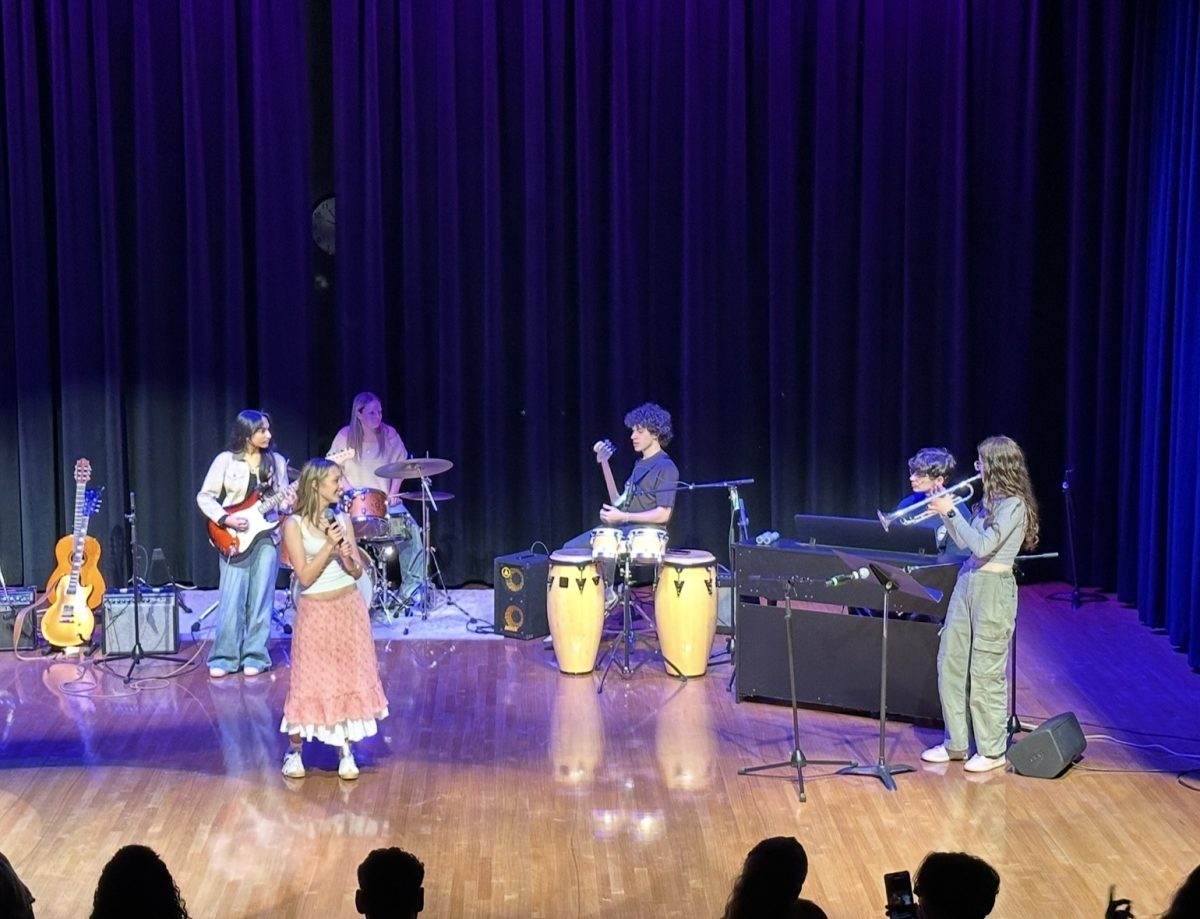
Java Jam remains one of the most anticipated traditions at Lower Moreland, bringing together student musicians, teachers, and staff for an evening built around live performance and shared appreciation for music. The event showcases the wide range of talent across the school while creating a space where performers and audience members can connect through common interests.
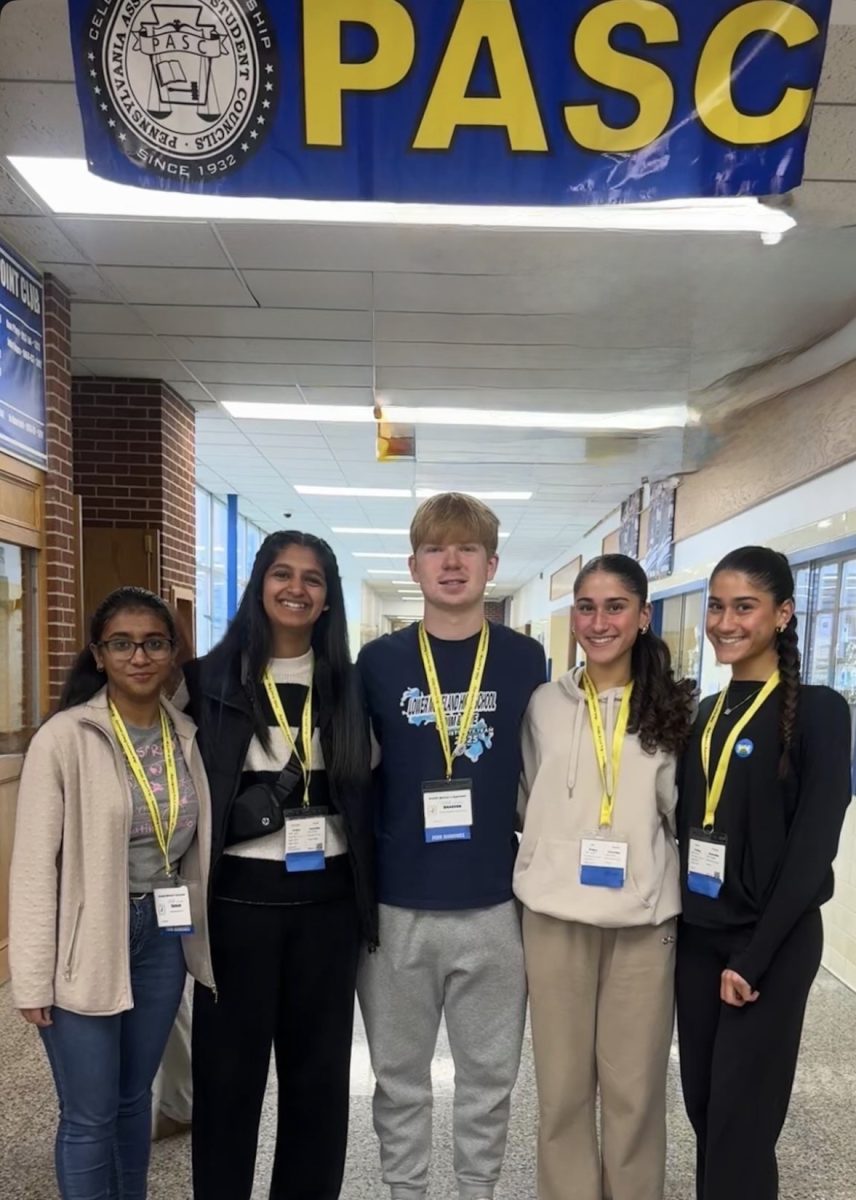
For student leaders Treyton Henry and Edona Selemaj, Java Jam is as much about community as it is about music. Trey described it as “one of my favorite nights at Lower Moreland,” emphasizing how meaningful it is to see so many students and teachers come together to perform and support one another. A large part of what makes the event run smoothly is the behind-the-scenes work of the tech crew, who handle much of the production, sound, and technical setup throughout the night. While student leaders coordinate aspects such as setlists, microphone setup, and promotion, much of the operational success comes from that support team.
As Edona has mentioned before, the event ultimately centers on connection. Java Jam has remained a long-standing tradition in part because it gives people the opportunity to share music in a relaxed, collaborative environment and engage with others through performance.
This year’s lineup reflected that tradition, featuring solo acts, duets, ensembles, and full band performances across nearly two hours of music. The program opened with “Take Me or Leave Me” from RENT, performed by Ash Archibald and Vivienne McGarrigle, followed by a series of student-led performances spanning contemporary pop, indie, musical theatre, and original music.
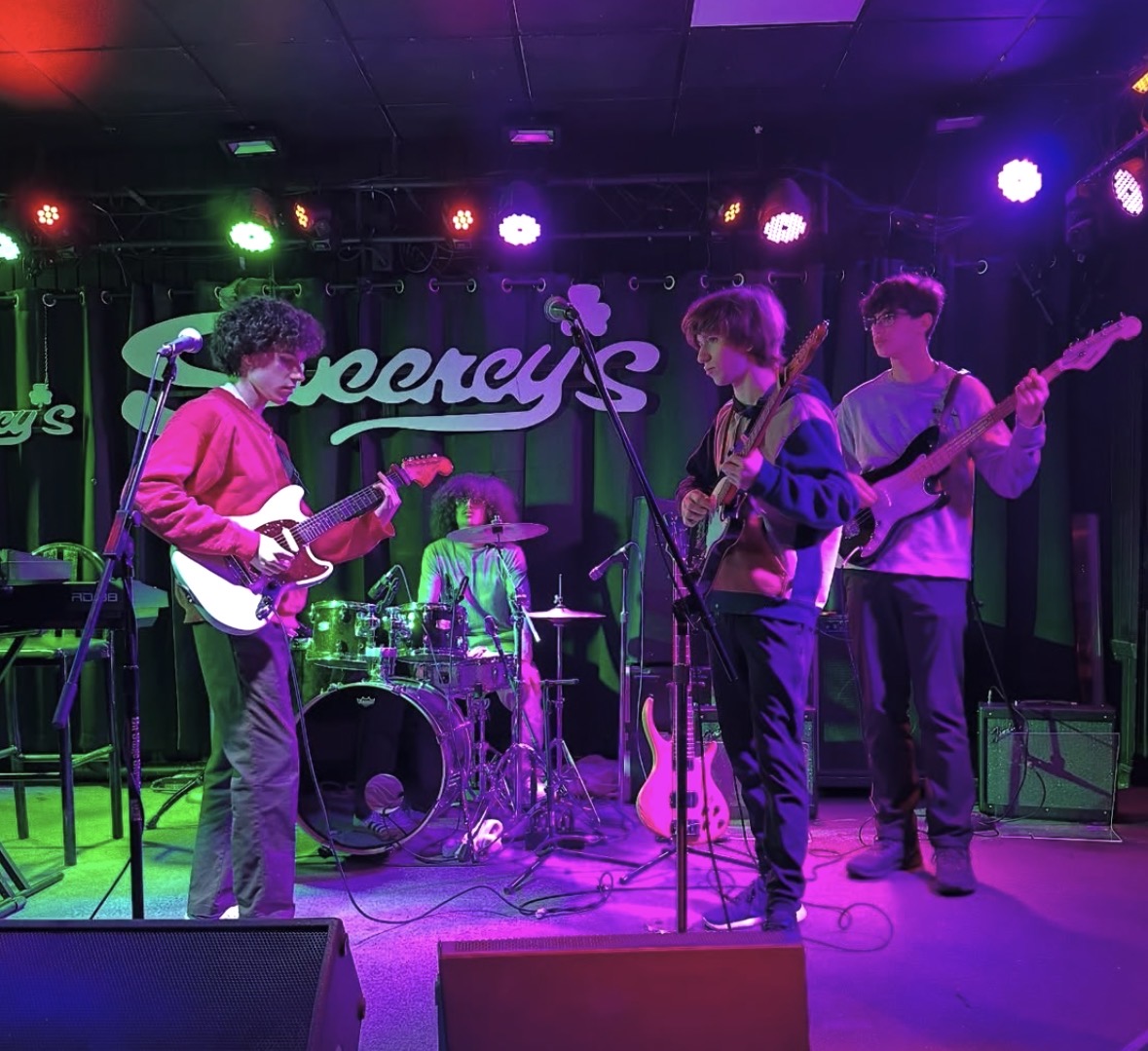
Throughout the night, performances ranged from stripped-down vocal and piano sets, such as renditions of “Spiraling,” “Coffee,” and “Easy on Me,” to larger ensemble arrangements featuring full rhythm sections, horns, and collaborative instrumentation. Songs like “Can I Call You Rose?” by Thee Sacred Souls and “La-La Means I Love You” by The Delfonics brought together multiple musicians on stage, highlighting the coordination and energy of the larger groups.
One of the defining aspects of Java Jam is its mix of student performers and faculty musicians. This year included several staff-led performances, adding to the collaborative nature of the event and reinforcing its role as a school-wide tradition.
Across the board, performances emphasized not only individual talent but also collaboration between students in different grades and music groups. Many sets involved shifting roles between vocalists, instrumentalists, and accompanists, contributing to the flexible, informal structure that defines Java Jam.
By the end of the night, the event once again demonstrated why it remains such a staple of the school year. It is not only a showcase of musical ability, but also a space for community building, where students and staff come together outside of the classroom to share something creative and personal.
That sense of connection is what keeps Java Jam going year after year, and what makes it more than just a once-a-year night of performances.